

What are the disadvantages of synthetic kids' outerwear materials?
Nov 10, 2026
Leave a message
As a supplier of Kids' Outerwear, I've witnessed firsthand the growing popularity of synthetic materials in the production of children's outerwear. Synthetic materials offer numerous advantages, such as durability, water resistance, and affordability, which make them an attractive option for both manufacturers and consumers. However, it's important to also consider the potential disadvantages of these materials, especially when it comes to the health and well - being of our little ones.
1. Breathability Issues
One of the most significant drawbacks of synthetic kids' outerwear materials is their limited breathability. Synthetic fabrics like polyester, nylon, and acrylic are often made from petroleum - based products. These materials are designed to be tightly woven to provide water resistance and wind protection, but this tight weave also restricts the movement of air through the fabric.
When children are active, they sweat to regulate their body temperature. If the outerwear doesn't allow sweat vapor to escape, it will accumulate inside the garment. This can lead to a feeling of dampness and discomfort for the child. Moreover, the warm, moist environment created inside the synthetic outerwear is a breeding ground for bacteria and fungi. For example, a child wearing a Kids' Outdoor Shell Jacket made of synthetic materials during a long - hike or a high - energy play session may experience excessive sweating and skin irritation.
Scientific studies have shown that poor breathability can also affect a child's thermoregulation. When a child's body can't effectively release heat and moisture, it can overheat. This is particularly dangerous for young children, as their thermoregulatory systems are still developing. Overheating can lead to heat exhaustion, dehydration, and in severe cases, heatstroke.
2. Allergic Reactions
Many synthetic materials used in kids' outerwear can cause allergic reactions in sensitive children. These materials may contain chemicals such as formaldehyde, azo dyes, and heavy metals as part of the manufacturing process. Formaldehyde is commonly used as a wrinkle - resistant agent in synthetic fabrics. Exposure to formaldehyde can cause skin rashes, itching, and respiratory problems in children.
Azo dyes, which are used to color synthetic materials, have also been linked to allergic reactions. Some of these dyes can release aromatic amines, which are known to be carcinogenic and can cause skin and respiratory allergies. Additionally, heavy metals like lead and cadmium may be present in the dyes or in the finishing agents used on the synthetic outerwear. These heavy metals can be absorbed through the skin or inhaled, and they can have long - term health effects on children, including damage to the nervous system and impaired cognitive development.
For instance, a child with sensitive skin may develop a skin rash after wearing a Kids' Padded Jacket made from synthetic materials that contain these harmful chemicals. It can be difficult for parents to identify the source of the allergy, as the symptoms may not appear immediately.
3. Environmental Impact
The production and disposal of synthetic kids' outerwear materials have a significant environmental impact. The manufacturing of synthetic fabrics involves the extraction and processing of fossil fuels, which contribute to greenhouse gas emissions and climate change. Additionally, the production process often requires large amounts of water and energy, and it generates a significant amount of waste and pollution.
When synthetic outerwear is discarded, it doesn't break down easily in the environment. Synthetic materials like polyester can take hundreds of years to decompose, and they often end up in landfills or as litter in the natural environment. Microplastics, which are tiny particles of synthetic materials, can also be released into the environment during the washing of synthetic outerwear. These microplastics can enter the food chain and have a negative impact on wildlife and human health.
As a Kids' Outerwear supplier, we have a responsibility to consider the environmental impact of our products. While synthetic materials may be more cost - effective in the short term, the long - term environmental costs are significant. We should encourage the use of more sustainable materials in the production of Kids' Outerwear.
4. Lack of Softness and Comfort
Synthetic materials are generally less soft and comfortable than natural materials like cotton and wool. The texture of synthetic fabrics can be rough and scratchy, which can be uncomfortable for children, especially those with sensitive skin. The stiffness of synthetic outerwear can also restrict a child's movement, making it difficult for them to play and be active.
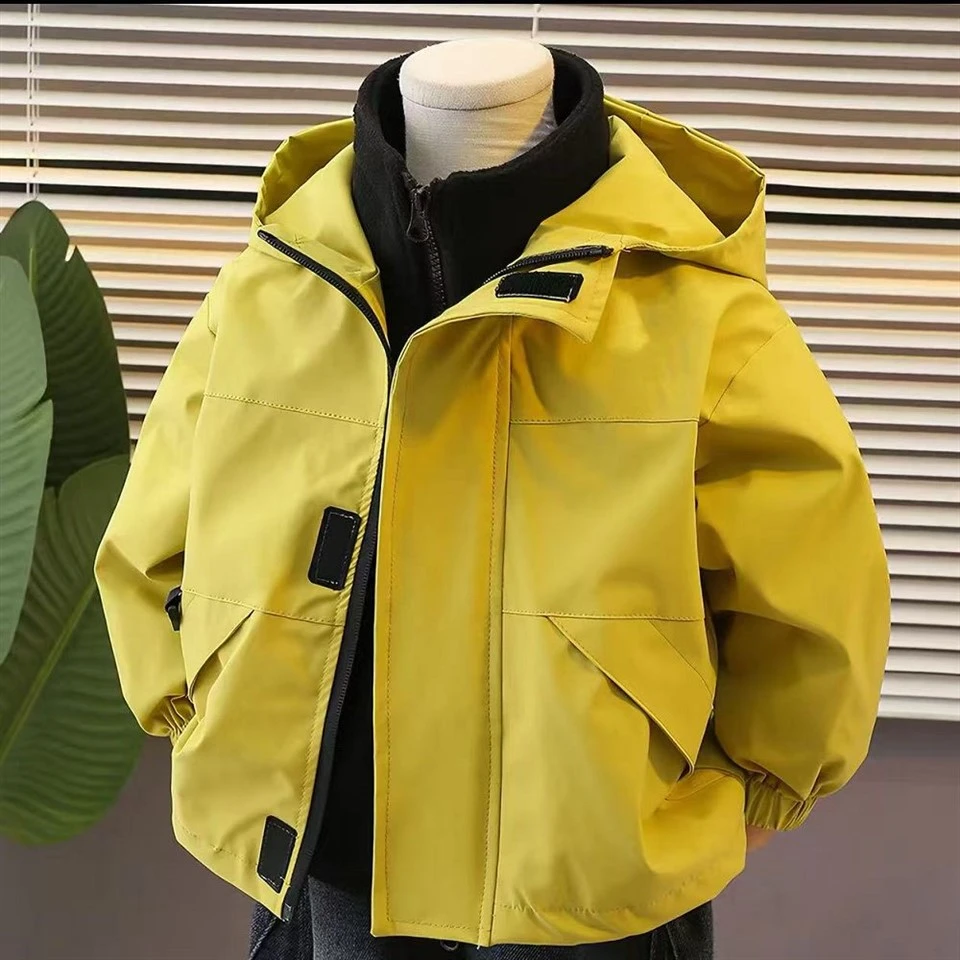
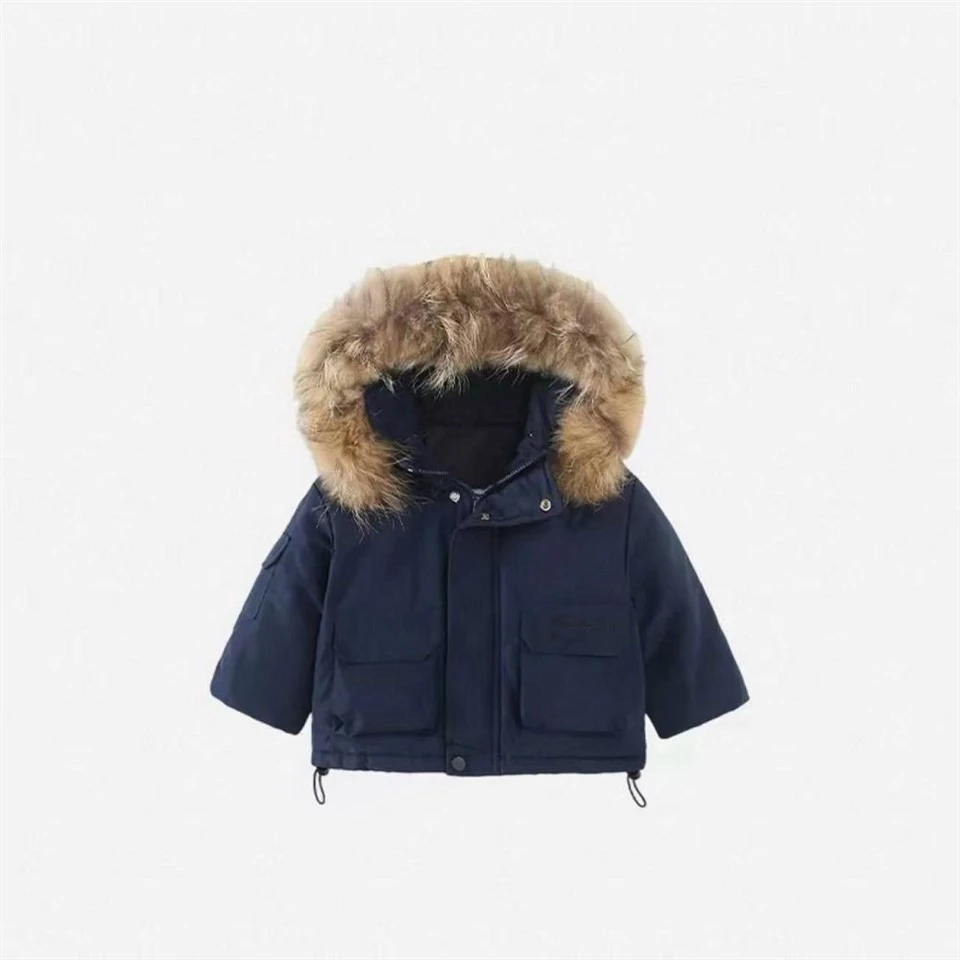
For example, a child wearing a Childrens Lightweight Puffer Jacket made of synthetic materials may feel restricted in their arm and shoulder movements. This can lead to frustration and a reduced willingness to engage in physical activities. In contrast, natural materials conform to the body more easily and provide a softer, more comfortable feel against the skin.
5. Static Electricity
Synthetic materials are prone to generating static electricity. When a child moves around in synthetic outerwear, the friction between the fabric and their body or other surfaces can build up an electrical charge. This static electricity can cause a number of problems.
Firstly, it can be uncomfortable for the child. The static shocks can startle them and cause a mild pain. Secondly, static electricity can attract dust and lint to the outerwear, making it look dirty and unkempt. For kids, who are often spending time in dusty or dirty environments, this can be a particular problem. A child wearing a Kids' Seam - sealed Jacket made of synthetic materials may find that their jacket quickly becomes covered in dust due to static electricity.
In conclusion, while synthetic materials in kids' outerwear have their advantages, it's essential to be aware of the potential disadvantages. As a supplier, we need to balance the benefits of these materials with the health, comfort, and environmental concerns of our customers. We should explore alternative materials and manufacturing processes that can minimize the negative impacts.
If you're interested in discussing more sustainable and child - friendly options for Kids' Outerwear, we'd love to have a conversation. Whether you're a retailer looking to stock high - quality kids' jackets or a parent wanting to make informed purchases, we're here to assist. Reach out to us and let's start a dialogue about the future of Kids' Outerwear.
References
Beaulieu, D. (2019). Synthetic Fabrics: A Guide. ThoughtCo.
Gu, Y., & Guo, X. (2018). Allergic reactions to synthetic textiles. Journal of Dermatology and Clinical Research.
Thompson, R. C., et al. (2004). Lost at sea: where is all the plastic? Science.